
It’s Free Swords! Disarms in Rapier & Smallsword
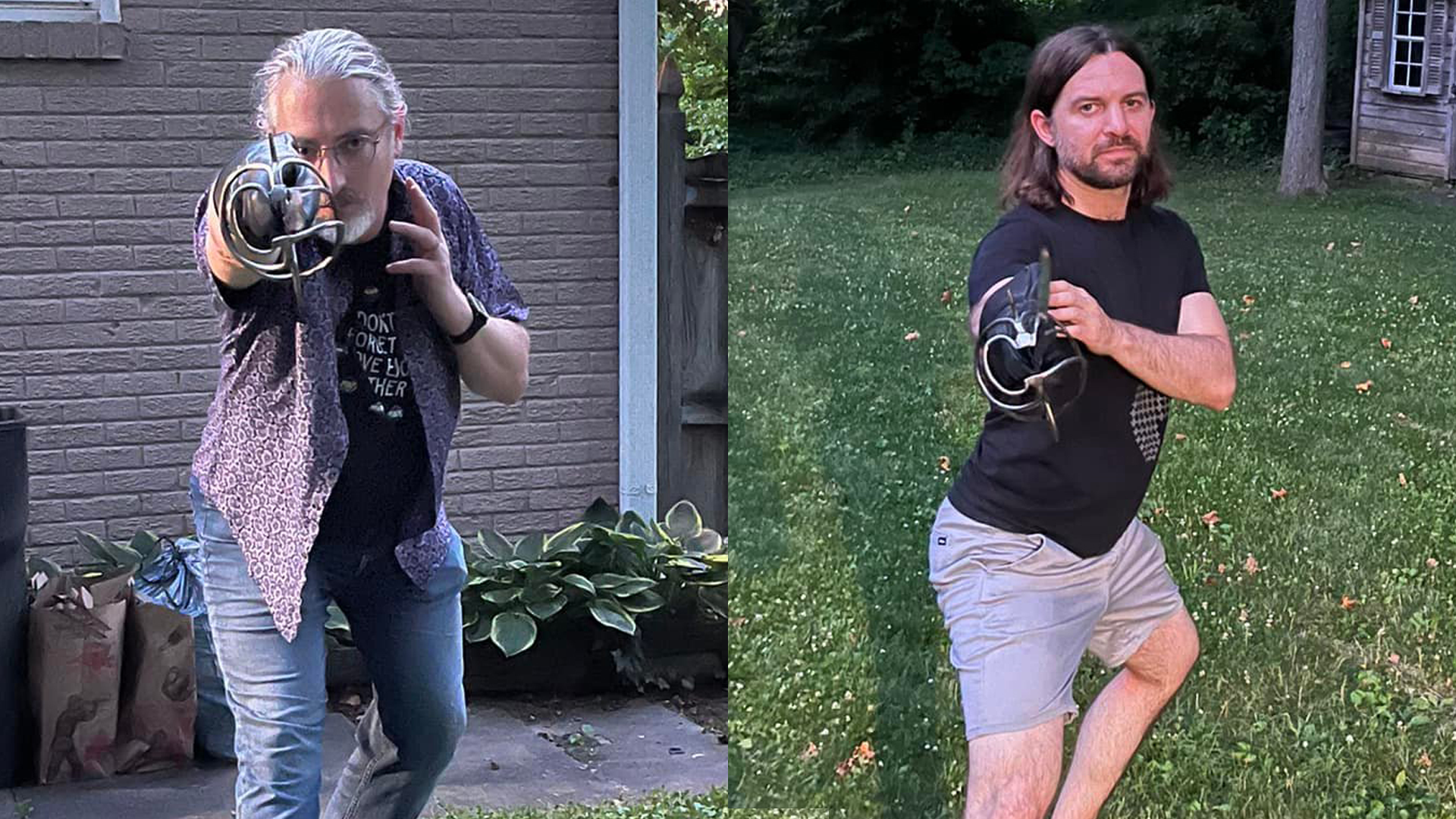
Sure, hitting your opponent with a great lunge is cool but know what's cooler? Taking their sword away via disarms. Here's a selection of plays for rapier & smallsword.

Sure, hitting your opponent with a great lunge is cool but know what's cooler? Taking their sword away via disarms. Here's a selection of plays for rapier & smallsword.
We all know you should find the opponent's blade and we may even think we understand why, but you truly get a sense for the why once you've looked down the business end of a sharp antique.
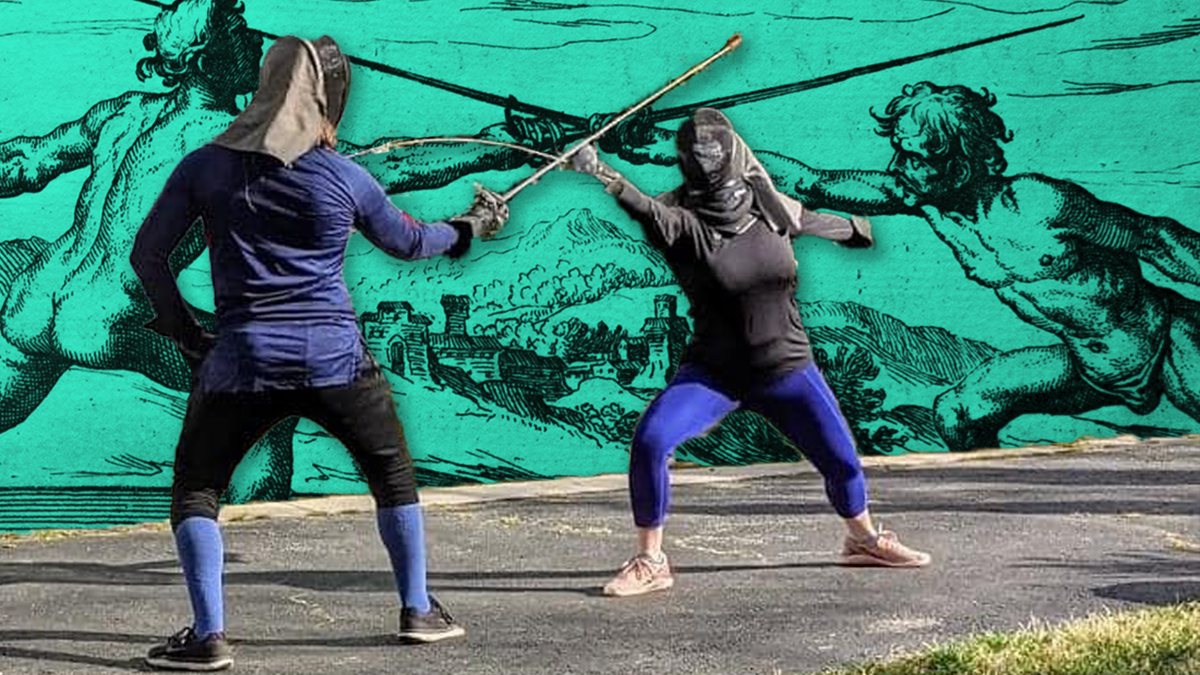
While there are “bread and butter” players found repeatedly in the Franco-Italian-inspired fencing systems, sometimes you run into plays that are weird, different, or very unique. These are a collection of some those plays, including weird engagements, mismatch weapons forms, and two-handing the rapier.
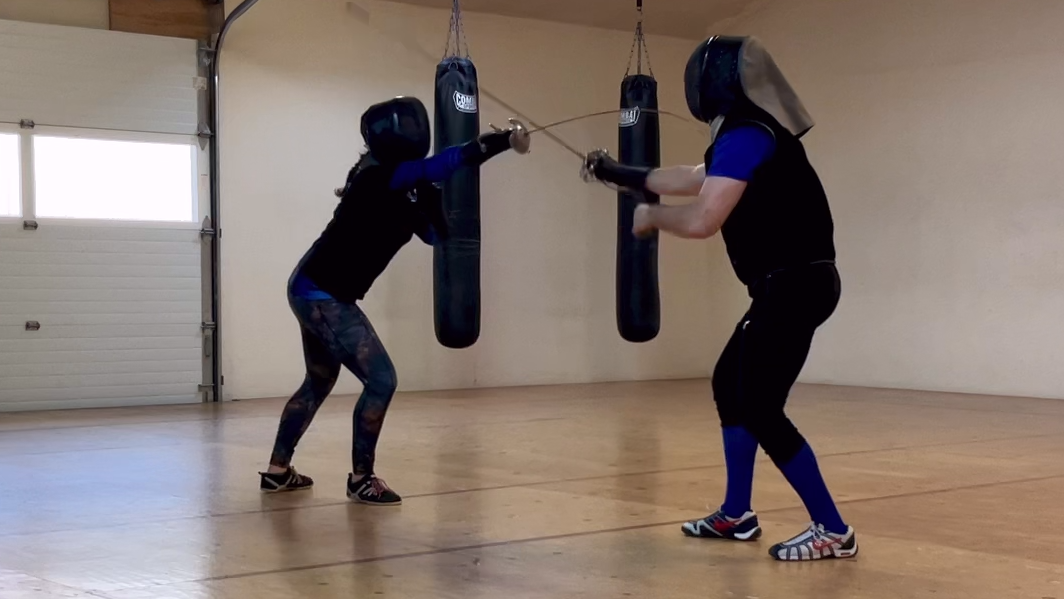
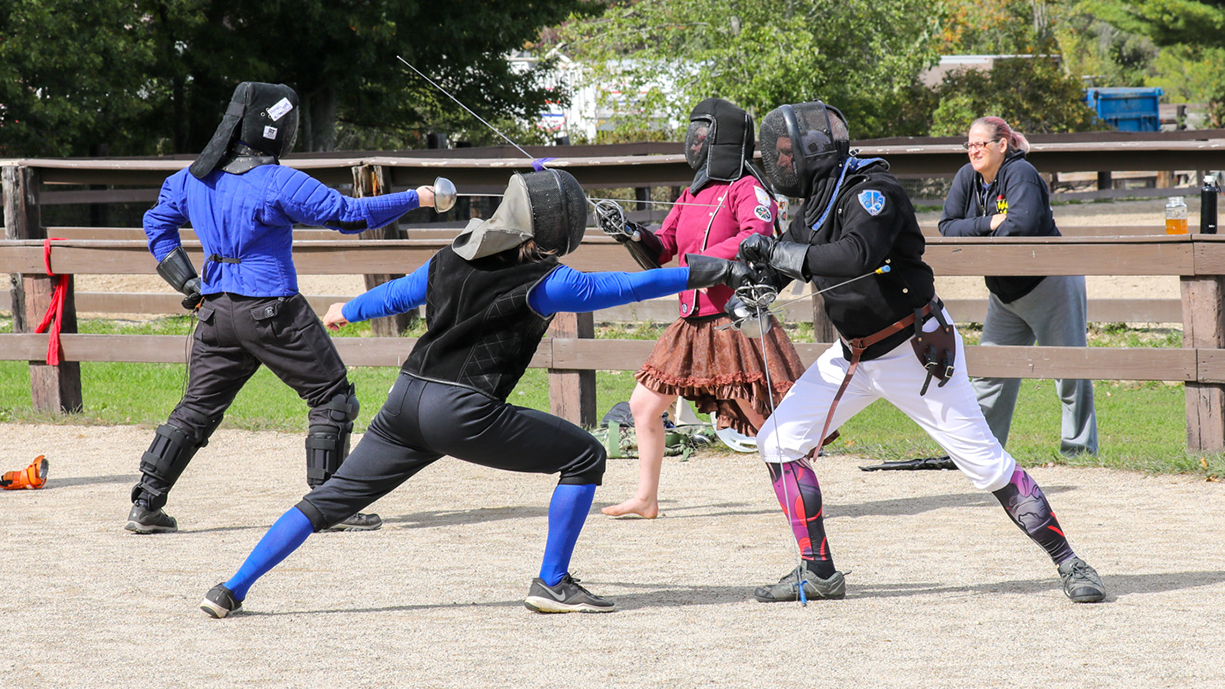
One of the keys to improving a fencer is making the drills feel closer to a real bout. This “random cues” drill is a nice step in that direction. It’s like a very unstructured option drill.
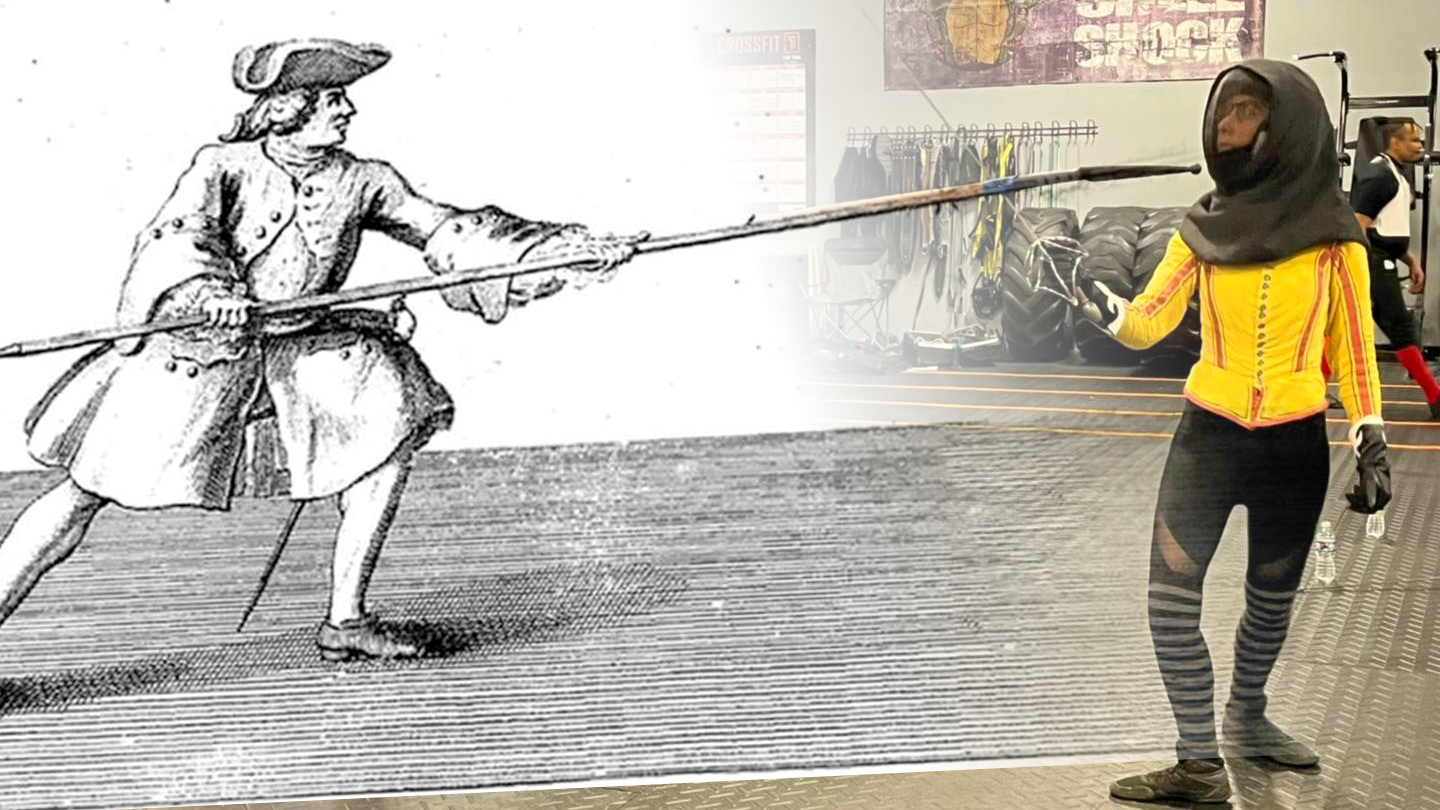
Not all tactics are created equal. This online workshop covers historical tactics for approaching opponents who are taller, shorter, strong and weaker than you -- plus a bonus faster fencer.
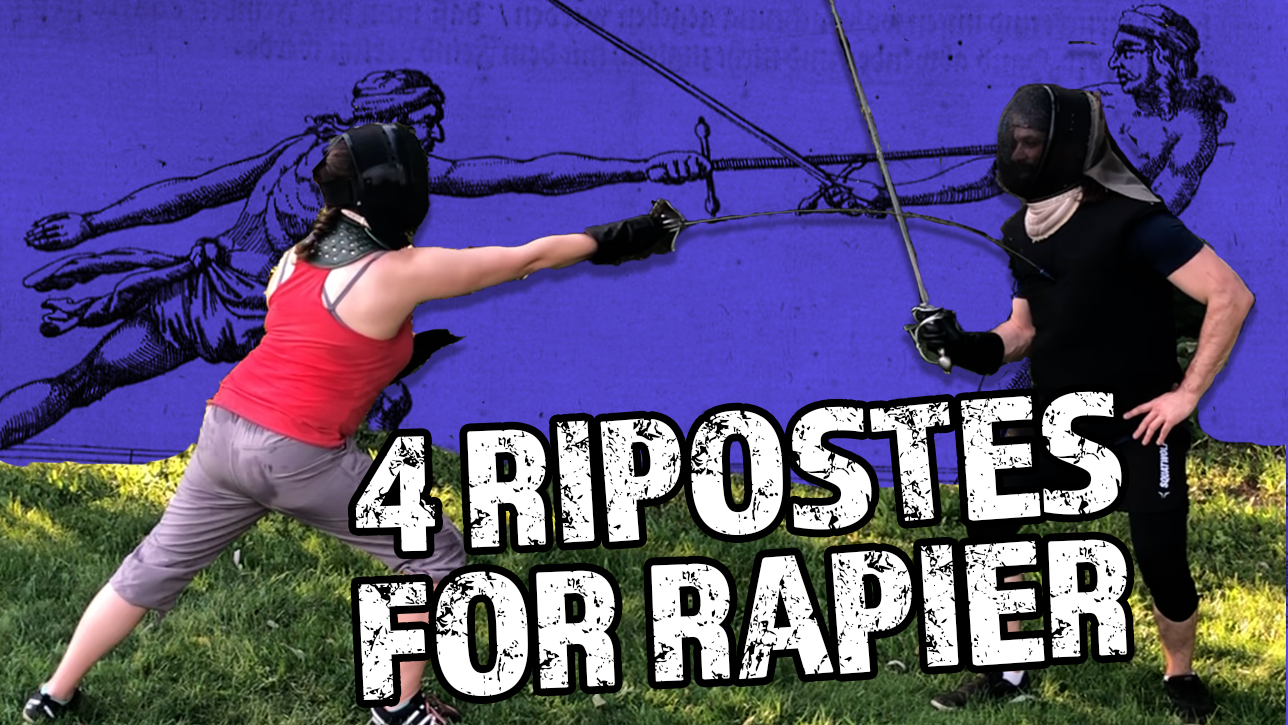
You've parried your opponent but every time you try to riposte, your shot doesn't land or they counter-parry it. Why is that? It could be you're choosing the wrong riposte action for the job. This post & video goes over four basic blade actions depending on the tactical situation required.
Here's a super simple, level-2 option drill to improve your tactical decision making skills.
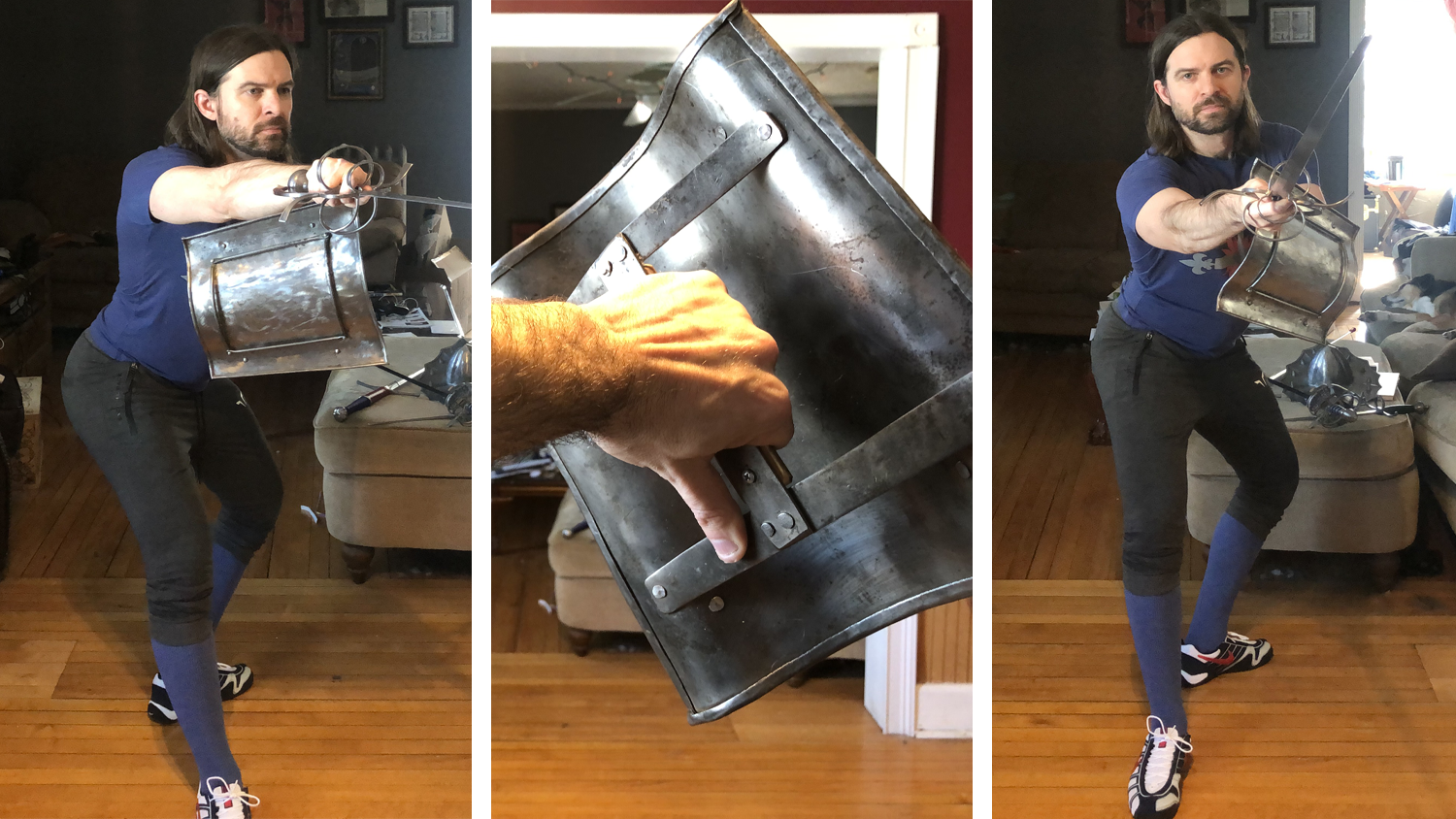
Here's how to form guards with the rapier & buckler/targa, both with the sword-extended and the sword-withdrawn.
This video presentation gives a general overview of French fencing & dueling culture in the 16th and 17th Centuries.
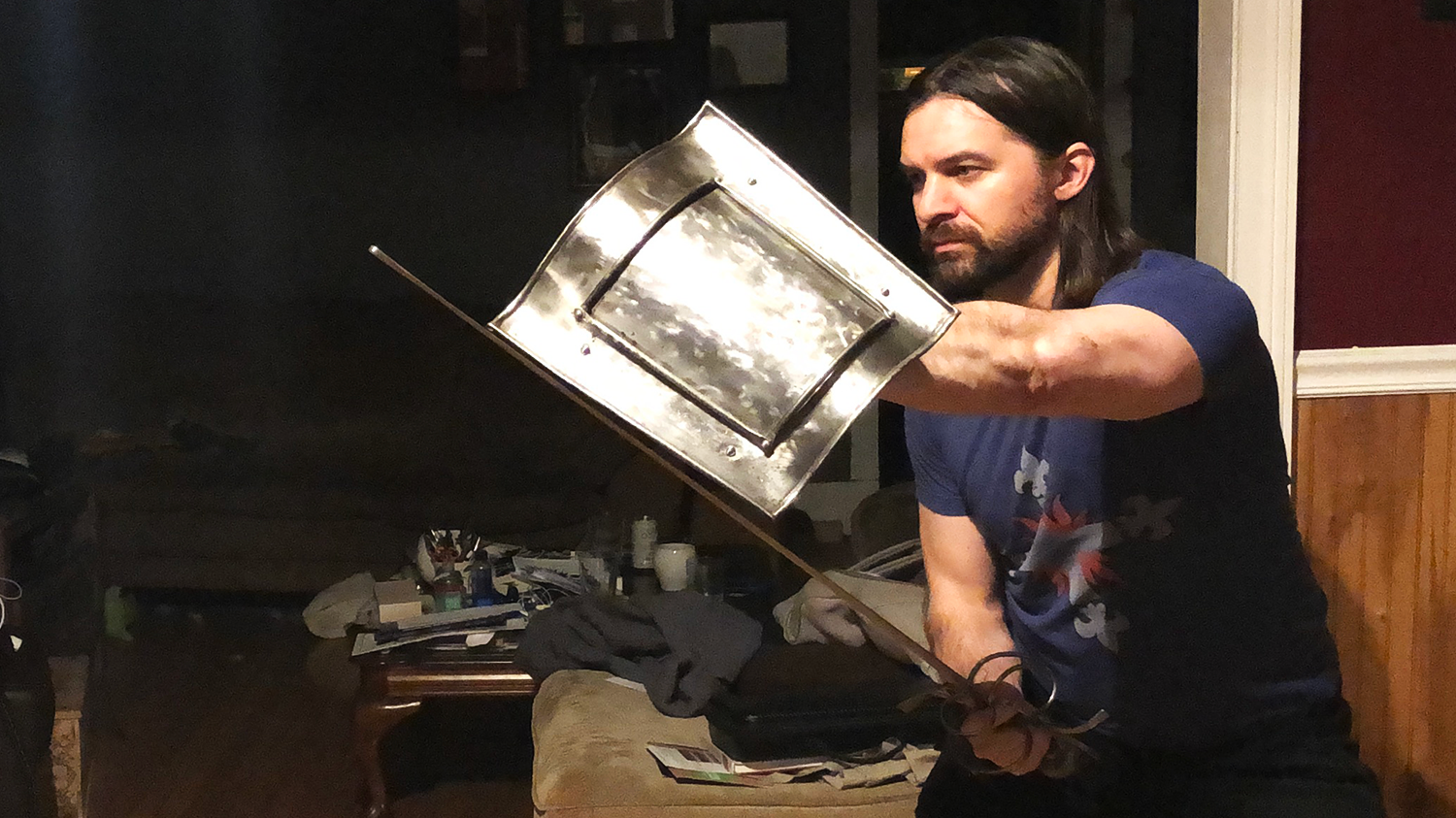
Here's how to hold a buckler, plus some basic guard transition exercises to do at home.